

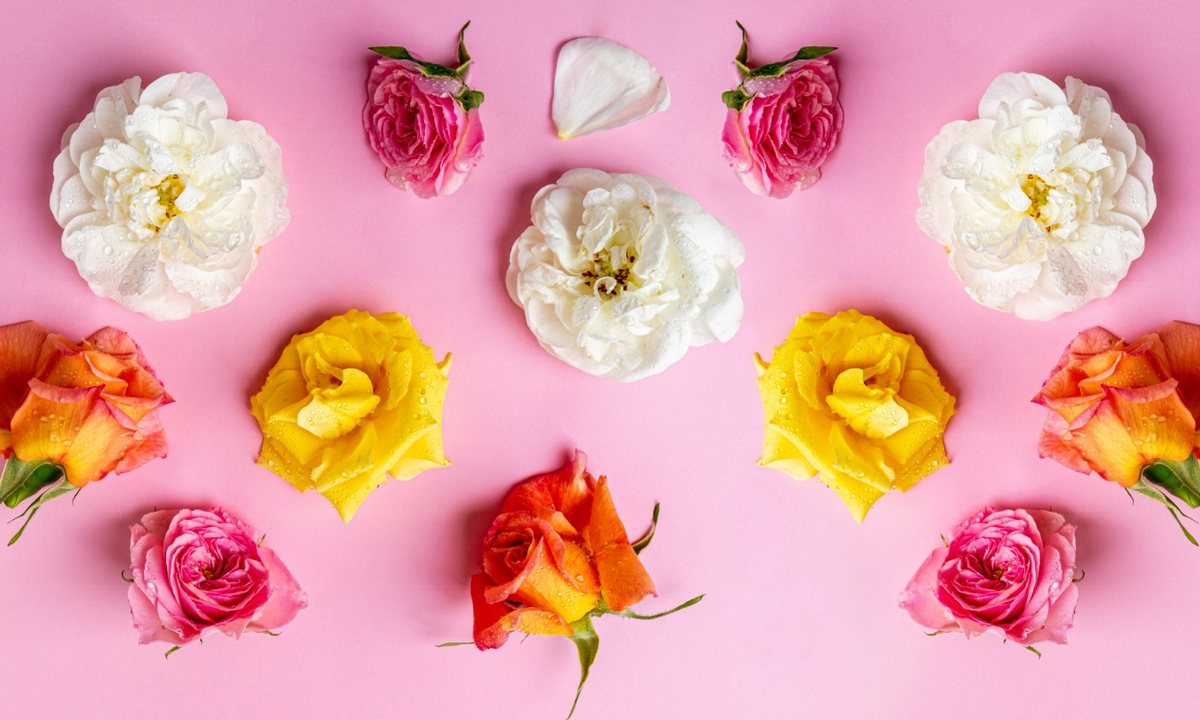
Why Rose Colour Matters
Roses carry meaning before the card is even read. Colour helps set the tone, so choosing the right rose can make a gift feel more personal. For a broad range, start with roses, then match the colour to the message.
Red Roses
Red roses are the classic choice for love, romance, and commitment. They suit anniversaries, Valentine’s Day, proposals, apologies, and moments where you want the message to feel direct. Browse red roses when romance is the main point.
Pink Roses
Pink roses feel warm, grateful, and affectionate. They work for birthdays, thanks, Mother’s Day, congratulations, and softer romantic notes. Light pink feels gentle, while deeper pink feels more celebratory.
White Roses
White roses often suggest grace, remembrance, and sincerity. They can suit sympathy, weddings, formal thanks, and calm arrangements. Use them when the gift should feel respectful and understated.
Yellow and Orange Roses
Yellow roses feel friendly and cheerful, making them a good fit for birthdays, thanks, get-well wishes, and congratulations. Orange roses bring energy and warmth, which suits bold celebrations and bright surprises.
Lavender and Mixed Roses
Lavender roses feel romantic and a little unexpected. Mixed roses are useful when one colour feels too narrow, especially for birthdays, thanks, or family gifts. For romantic arrangements beyond roses, visit romantic flowers.
Choosing the Card Message
From the Bloomex Australia florists: let the rose colour do part of the work, then keep the card message simple. Name the occasion, say what you feel, and sign off naturally.
Colour can help when you know the occasion but not the exact arrangement. A rose gift for a partner, parent, friend, or colleague will feel different depending on the shade. Start with the relationship, then choose the colour.
Red roses carry the strongest romantic signal. They suit partners and spouses, but they can feel too intense for casual gifts. If the relationship is new or the message is softer, pink or mixed roses may feel warmer.
Pink roses cover a wide range of sends. Pale pink can feel gentle and caring, while bright pink can feel celebratory. Choose pink for Mum, friends, thanks, birthdays, and affectionate notes.
White roses feel calm and formal. They can suit sympathy, weddings, apologies, and messages where grace matters more than colour. They also pair well with greenery when you want a clean arrangement.
Yellow roses are friendly and cheerful. They suit get-well wishes, congratulations, thanks, and birthdays. If romance is not the goal, yellow helps avoid the intensity of red.
Orange roses feel energetic. They can suit congratulations, bold birthdays, and warm thank-you gifts. They are also useful when the recipient likes colour and personality.
Lavender roses feel unusual and romantic without being as traditional as red. They can suit anniversaries, surprise messages, and recipients who like softer purple tones.
Mixed roses are helpful when one meaning feels too narrow. They let you send warmth, colour, and celebration together. For family birthdays or thanks, mixed roses can feel more natural than a single-colour bouquet.
The card should match the colour. A red rose card can be direct and romantic. A yellow rose card can be light. A white rose card should stay calm and sincere.
If you are sending roses to a friend, yellow, pink, or mixed colours usually feel safer than red. They still feel thoughtful, but they avoid a romantic message the sender may not intend.
If you are sending roses to a parent, pink, white, yellow, and mixed bouquets can work well. The card should make the relationship clear, especially for Mother’s Day, Father’s Day, birthdays, or thanks.
For apologies, avoid using colour alone to carry the message. White roses can feel respectful and pink roses can feel warm, but the card should name the apology in plain words and avoid making excuses.
For anniversaries, red roses remain the clearest classic choice. Mixed roses can suit couples who prefer colour, humour, or a less formal gift. Choose the tone that fits the relationship, not just the tradition.
For sympathy, white roses and soft mixed roses can feel calm. Avoid loud colour unless you know the person loved bright arrangements or the family has asked for celebration-style flowers.
Rose colour pages should also help shoppers understand combinations. Red and white can feel formal, pink and white can feel gentle, and mixed bright roses can feel joyful for birthdays or congratulations.
When sending roses interstate, keep the colour choice simple. The recipient will understand red, pink, white, yellow, or mixed roses faster than a complicated symbolic explanation.
For mixed households, choose colours that suit the shared space. Soft colours can feel calm in a bedroom or lounge, while bright mixes can suit kitchens, offices, and birthday tables.
If the rose colour carries a private meaning for you, put that in the card. The recipient should not have to decode the gift to understand why you chose it.
Author note: From the Bloomex Australia florists.