

A Respectful Starting Point
Sympathy flowers should feel calm, sincere, and easy for the recipient to receive. In Australia, you can send flowers to a family home, workplace, funeral service, or memorial venue, but the right choice depends on timing and relationship. Start with sympathy and funeral flowers.
Home, Service, or Workplace
Flowers sent to a home offer support after the service or when the family is grieving privately. Funeral flowers sent to a service should use accurate venue details and timing. Workplace sympathy flowers should stay understated unless you know the recipient would welcome a larger tribute.
Colours That Feel Appropriate
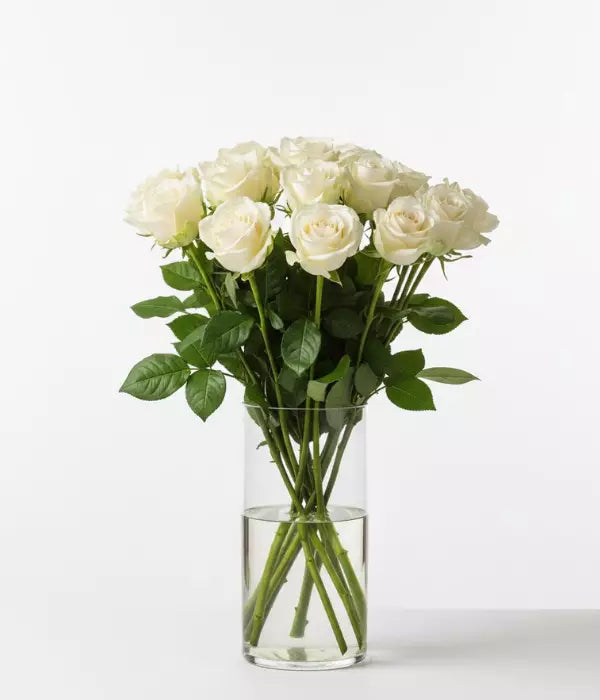
White, cream, soft pink, lavender, and gentle green tones are common sympathy choices. Red roses may suit a close romantic relationship or a tribute from a partner, but softer colours often feel safer for friends, colleagues, and extended family.
What to Write on the Card
Keep the message short and kind. Try: ‘Thinking of you and your family’, ‘With heartfelt condolences’, or ‘Sending love and strength’. Avoid long explanations or advice. The card should offer support, not ask the family to respond.
When to Send Sympathy Flowers
You can send flowers before a service, on the day, or in the weeks after. Many families appreciate support after the funeral, when visitors slow down. If you are unsure, a home delivery with a simple card is often a considerate choice.
When a Hamper May Suit Better
Some families may appreciate a practical gift, especially if people are gathering at home. A simple option from gift hampers can sit alongside flowers or replace them when food feels more useful.
Florist Note
From the Bloomex Australia florists: respectful sympathy flowers do not need to be large. They need the right tone, accurate delivery details, and a card message written with care.
Sympathy gifting asks for restraint. The flowers should support the family, not draw attention to the sender. Choose soft colour, accurate details, and a message that does not ask for anything back.
If you are sending to a funeral service, confirm the venue name, service time, and recipient details before ordering. A small error in the address can create stress for the family and the venue.
If you are sending to a home, choose flowers that are easy to place. Vase arrangements and softer bouquets can work well because the family may already have many tasks to manage.
For colleagues, keep the tone respectful and simple. A group card from the team can be more appropriate than a highly personal message. Use the person’s name and offer condolences without overexplaining.
Different families have different cultural and religious preferences. If you are unsure whether flowers are appropriate, ask someone close to the family or choose a practical hamper with a careful note.
Large funeral tributes suit close family, formal services, or situations where the family has requested flowers. Friends and work contacts often choose bouquets, wreaths, or smaller arrangements.
Avoid phrases that try to explain the loss or make the grief feel smaller. Better messages include ‘Thinking of you’, ‘With sincere condolences’, or ‘Sending love to your family’.
Flowers sent after the service can be meaningful. The days after a funeral can feel quiet, and a simple home delivery can remind the family that people still care.
Before sending, check whether the family has asked for flowers, donations, or another tribute. If the notice says flowers are welcome, choose a style that matches your relationship to the person and the service.
Home sympathy flowers should feel manageable. A vase arrangement can be easier than loose stems because the family may not have the time or energy to find a vase and arrange a bouquet.
If several people are sending together, write one card message from the group. List the team, family, or friendship group clearly so the recipient understands who sent the flowers without needing to investigate.
Timing can vary. Some people send before the funeral, some send to the service, and others send to the home after the service. After-service flowers can be thoughtful when the first rush of support has passed.
Use full names when ordering for a service or venue. Funeral homes and churches may manage several services, so clear names and details matter. A careful order protects the family from extra calls.
If you cannot attend the service, say so simply in the card. ‘Sorry we cannot be there, but we are thinking of you’ is clear and kind.
For neighbours and community groups, a smaller home delivery may be more suitable than a formal funeral tribute. Choose based on closeness, not what looks largest online.
If the family asks for no flowers, respect that request. You can still send a card, message, or practical support through the channel the family prefers.
Author note: From the Bloomex Australia florists.